How to Combine Native, Social, and Push Ads into a Single Campaign
Learn how to combine push ads, native advertising, and social media in a single funnel to earn from international traffic. Read our guide to running multichannel campaigns.
19 Feb 2026
Want to run push and pop ads, native formats, and social media campaigns at the same time? Here’s how to combine them into a single funnel — and how to analyze CPA, CR, and CTR across multiple channels.
Multi-Channel Funnel Analytics for a Single Offer
Users rarely convert after the first interaction with a brand. They might see a banner, then a social media post, then a push notification — and only after that take action.
Publishers monetize traffic through multiple ad formats, which is why advertisers often run several campaigns for the same offer and analyze how touchpoints work together. This approach is called multi-channel funnel analysis.
To make formats reinforce each other, campaigns should run in parallel.
Why Combine Push, Native, and Social Media
Media buyers often combine push, pop, and social traffic — and for good reason.
Relying on a single channel is risky. On average, users need 5–10 touchpoints before converting.
A multi-channel setup helps reduce overall CPA: push delivers reach, while social media drives conversions.
Push Traffic in a Multi-Channel Funnel
Push advertising is used for broad audience reach. Its main advantages are low CPC bids and fast campaign setup.
Kadam has a user base of over 300 million people ready to receive push notifications.
Web push delivers the main traffic volume, but to maximize reach, it’s worth adding calendar push and in-page push — especially for iOS.
Important:
- these formats do not require browser push notification permission
- calendar push (iCal) still requires user action — subscribing to a calendar
- on iOS 16.4+, web push is available via PWA, but requires “Add to Home Screen”
Native Ads in a Multi-Channel Strategy
Native advertising works as a warming layer. It blends into content, builds trust, and gradually leads users toward conversion.
Reviews, case studies, and editorial-style content reduce skepticism — especially effective in iGaming and fintech.
Social Media in the Performance Funnel
Traffic from social platforms (Facebook, TikTok, Instagram) is expensive, so using it for cold acquisition is often inefficient.
Instead, social media works best at the bottom of the funnel — as a conversion stage. A typical journey: a user sees a push or pop ad, engages with native content, and converts via social media.
How to Connect Push, Native, and Social
Consistency is key.
If you promise a 50% bonus in a push notification, the same offer must be confirmed in native content and social ads. Any mismatch will significantly increase the bounce rate.
How to Structure the Touchpoint Sequence
A typical funnel setup:
Popunder
Used for cold traffic and large-scale reach.
Push
Works both as the first touchpoint and as a retargeting tool, depending on the campaign strategy.
Native Ads
Build trust and warm up the audience.
Social Media
Final stage — social proof and conversion.
CR and CTR Across Funnel Stages
At the top of the funnel (pop and push):
- high CTR
- higher actual CPA / CPL
- low CR
This is expected — the audience is cold.
At the bottom of the funnel (native and social):
- CTR is typically lower than push in absolute terms
- but CR is significantly higher
At this stage, users are already familiar with the offer and more likely to convert.
Attribution and Tracking in a Multi-Channel Funnel
Set up analytics from the start.
1. Tracker and Postback
Use trackers like Voluum, Binom, or Keitaro.
Make sure your affiliate network sends conversions via S2S postback.
2. Attribution
Configure your tracker to identify the source of each conversion: push, pop, native, or social.
Retargeting and User Re-Engagement
Users rarely convert on the first touch — bringing them back is critical.
Use retargeting:
- Exit-intent — trigger campaigns for users about to leave without converting. Push or pop ads can bring them back in the next session.
- Repeated touchpoints — build a sequence: first a reminder, then a stronger offer (e.g., bonus or urgency).
- User segmentation — segment audiences by behavior (clicked but didn’t register, registered but didn’t deposit) and tailor creatives accordingly.
Optimization and Scaling
- test creatives across all channels
- use Kadam’s auto-rules to cut underperforming traffic
- scale only profitable GEOs
👉 Want to run multi-channel campaigns? Sign up on Kadam and access over 10 billion daily impressions.
FAQ
How does a multi-channel funnel work?
A multi-channel funnel is built around sequential touchpoints. First, you attract attention using low-cost channels like push or pop. Then you warm up users with native content, and finally drive conversions through social media or retargeting. This approach increases conversion probability and reduces cost per lead.
Why combine different ad formats?
Each format serves a different purpose. Push and pop provide cheap reach, native builds trust, and social media reinforces the decision through social proof. Together, they lower CPA and create a more stable acquisition funnel.
How should traffic sources be structured?
The typical strategy moves from cold to warm traffic. Start with push and pop for reach, then use native content to build intent, and finish with social media for conversion. The exact setup may vary depending on the vertical and offer.
How do you track performance in a multi-channel funnel?
Use a tracker with S2S postback to accurately attribute conversions. Combine this with GA4 behavioral analytics to analyze CR, CTR, and actual CPA/CPL. This gives you a full picture of performance across all channels.



Read Also
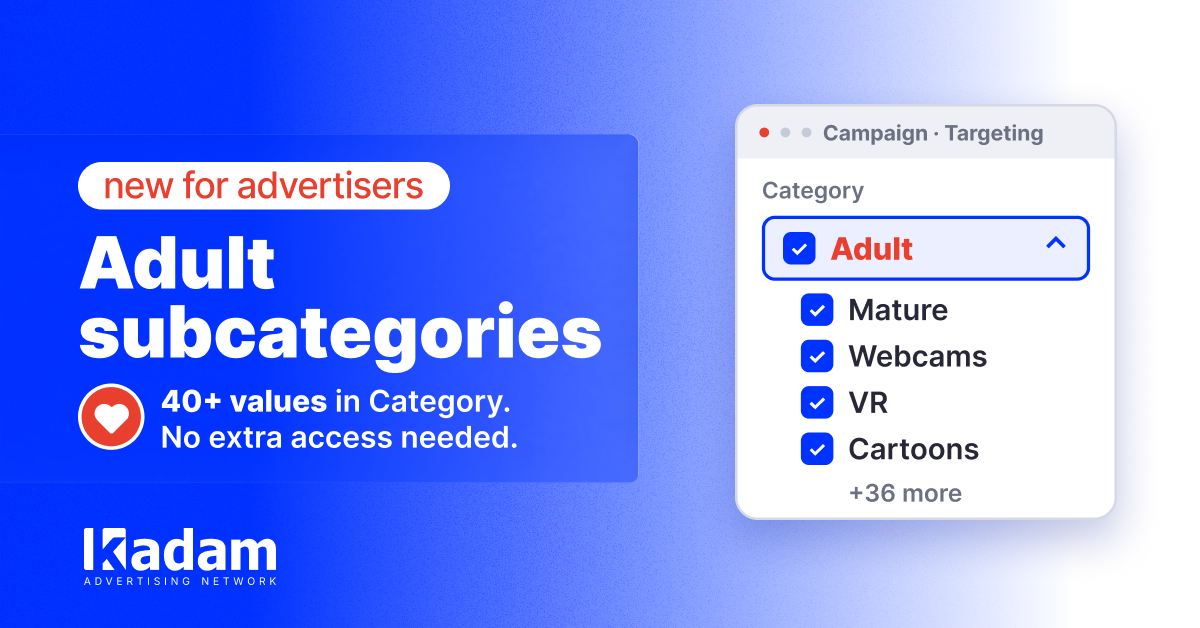
More Precise Adult Targeting: 40+ Subcategories in Kadam
DarkSword Reached Ad Traffic: Why a Normal Landing Page Can Hide an iOS Attack
Direct Advertiser vs Ad Network Which Model Is Better
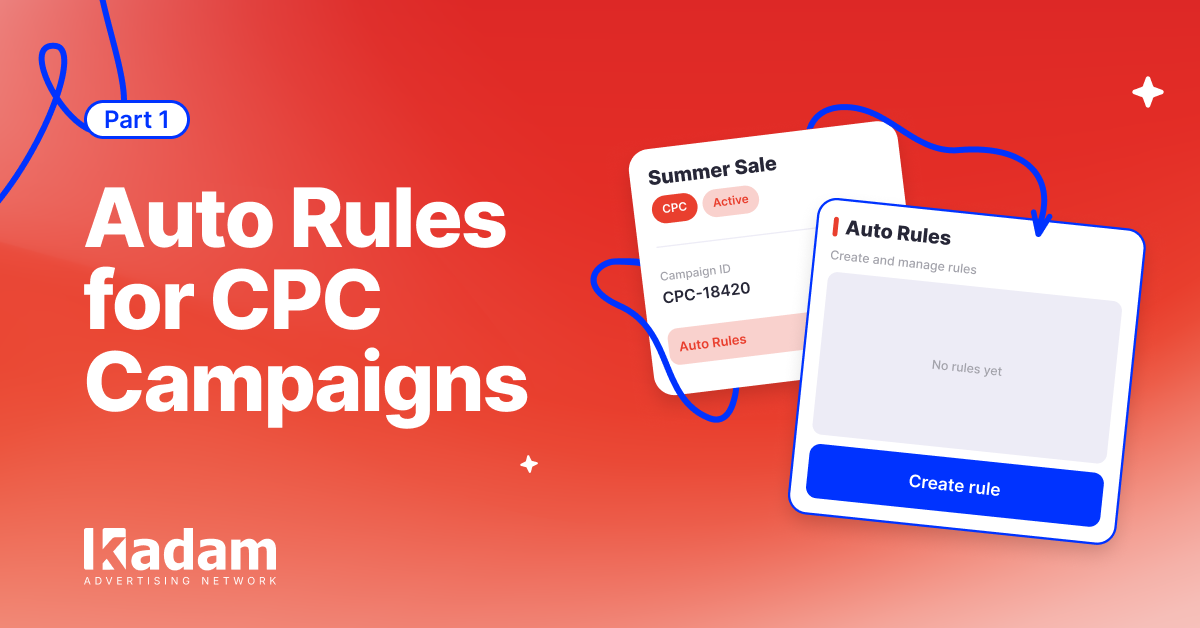
Managing CPC Campaigns with Auto Rules
VAST Creatives Are Now Available in Kadam Video Campaigns
What Is Retargeting Advertising and How Does It Work
New Ways to Add HTML Creatives
Campaign Group Budgets: Limits at a Glance
Retargeting Ads Explained: When and How to Bring Lost Customers Back