Multichannel Chains in 2026: Vertical-Specific Scenarios
Learn how to combine push, pop, and native ad types and get traffic from many sources. Our guide covers vertical-specific scenarios for running multichannel chains.
12 Mar 2026
We break down how to run campaigns using multiple ad formats and traffic sources. Learn how to build multichannel funnels in fintech, software, iGaming, and dating.
Why Multichannel Funnels Matter
Users rarely complete a target action after the first interaction with an ad. In most cases, they need several touchpoints with a brand: first seeing an ad, then receiving a reminder, and only after that exploring content before making a decision.
According to industry research, users may require 5–10 touchpoints before converting. A multichannel approach helps build this journey while reducing the overall CPA.
How a Multichannel Funnel Works
A multichannel funnel is a sequence of advertising formats that gradually guides a user toward a target action: registration, installation, or purchase.
Formats are not launched randomly — each one has its role in the funnel and a specific timing.
The Role of Traffic Sources
Popunder (clickunder/popunder)
Provides broad reach and attracts cold audiences. Used to generate traffic at a low cost and quickly test hypotheses.
Push Notifications
Work in the middle of the funnel. Bring users back and reinforce interest in the offer.
Classic push (subscription-based) and in-page push are different formats.
Native Ads and Banners
Build trust and warm up the audience. These are ad placements integrated into website content.
In-app Traffic (within app browsers)
This is the same push, popunder, or native traffic, but inside applications (e.g., built-in browsers), where creatives need to be adapted to the environment.
How to Build Funnels by Vertical
The length and structure of the funnel depend on the complexity of the target action.
If the action is simple (subscription, installation), a short funnel is enough:
popunder → landing page
If the action is more complex (registration, deposit, purchase), use a longer funnel:
popunder → native ads → retargeting
Touchpoint Sequence
A typical funnel logic looks like this:
- popunders provide the first contact and reach
- push notifications bring users back
- native ads and banners warm up the audience
- retargeting converts the user
Multichannel Funnels by Vertical
Fintech and Trading
Trust is key. Use educational content, native ads on authoritative platforms, and retargeting.
Software
Focus on value and urgency. Popunders and push notifications work well, including in-page push.
iGaming
Emotional engagement and event-based timing are crucial.
You can schedule push notifications around major events using campaign scheduling settings, apply gamification, and build trust through native content.
Dating
Teasers with strong CTAs work best. Use intermediate landing pages (quizzes).
Users who don’t convert can be brought back through retargeting with new creatives.
How to Launch Effective Multichannel Funnels
Set Up Tracking
Use trackers such as Voluum or Binom to understand which sources and segments drive conversions.
Make sure to set up S2S tracking and postback.
Important: include the &status parameter — without it, all conversions will be marked as approved, which distorts CPA and breaks optimization.
Analyze CR and CTR
At the top of the funnel (popunders), conversion rates are lower — the audience is not warmed up yet.
Further down the funnel, CR increases while CTR may decrease.
The key is to evaluate the contribution of each stage rather than comparing them directly.
Use Retargeting
Set up retargeting for users who have already interacted with your landing page but haven’t completed the target action.
Retargeting is applied on top of different formats — push, native, or banners — depending on the vertical and strategy.
Optimize Campaigns with Auto Rules
Run split tests to identify the best-performing creatives and landing pages.
Use Auto Rules to:
- block underperforming placements (via placement blacklist)
- decrease or adjust bids on weak segments (GEO, platform, source)
- increase bids on high-performing segments
Keep in mind:
- Auto Rules work for CPC campaigns
- conditions are checked approximately every 5 minutes
- conditions within a rule are combined using AND logic
Monitor Unit Economics
To achieve profitability, you need to either reduce acquisition costs or improve conversion rates.
If CPA increases, review:
- creatives
- funnel structure
- traffic sources and segments
- bidding strategy
Conclusion
Multichannel funnels enable a structured approach to user acquisition — from the first touchpoint to conversion.
This is not an optional tactic but a core tool for managing performance, especially in competitive verticals.
👉 Planning to launch multichannel campaigns? Join Kadam and test combinations across formats and GEOs.
FAQ
What is a multichannel funnel?
It’s a sequence of ad touchpoints across different formats that leads a user to a target action.
How to choose the funnel structure?
The more complex the action, the longer the funnel and the more touchpoints required.
Which formats work best together?
A basic combination includes push notifications and popunders. Native ads and banners are also used, while retargeting is applied on top of these formats.How to measure performance?
Using trackers, S2S tracking, and analytics at each stage of the funnel.


Read Also
More Precise Adult Targeting: 40+ Subcategories in Kadam
DarkSword Reached Ad Traffic: Why a Normal Landing Page Can Hide an iOS Attack
Direct Advertiser vs Ad Network Which Model Is Better
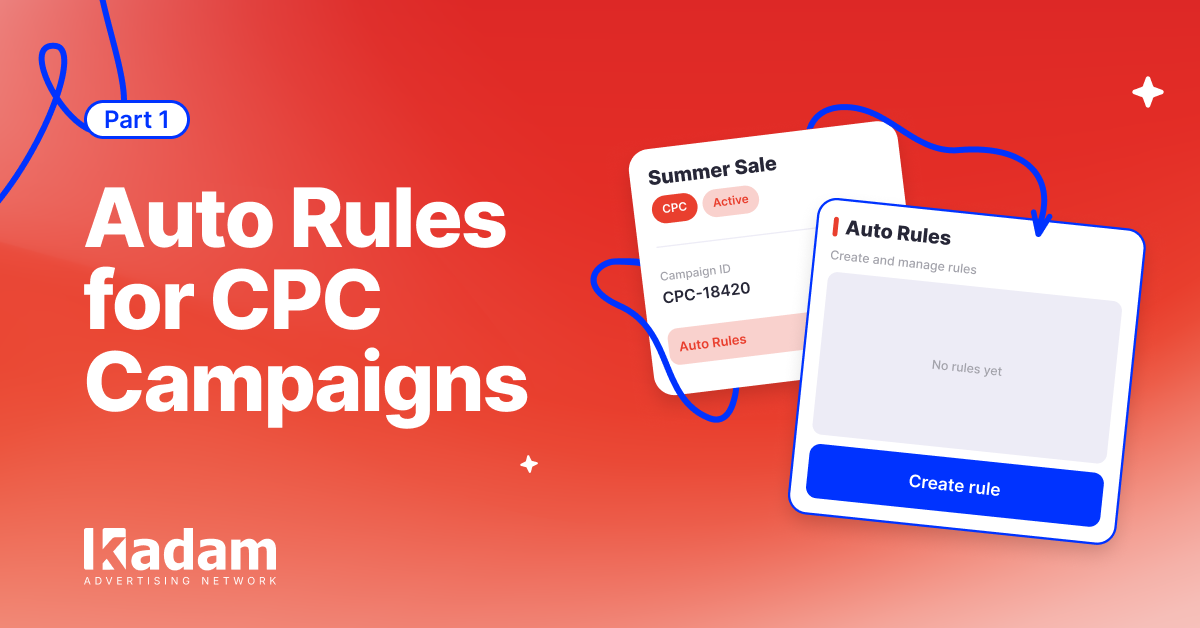
Managing CPC Campaigns with Auto Rules
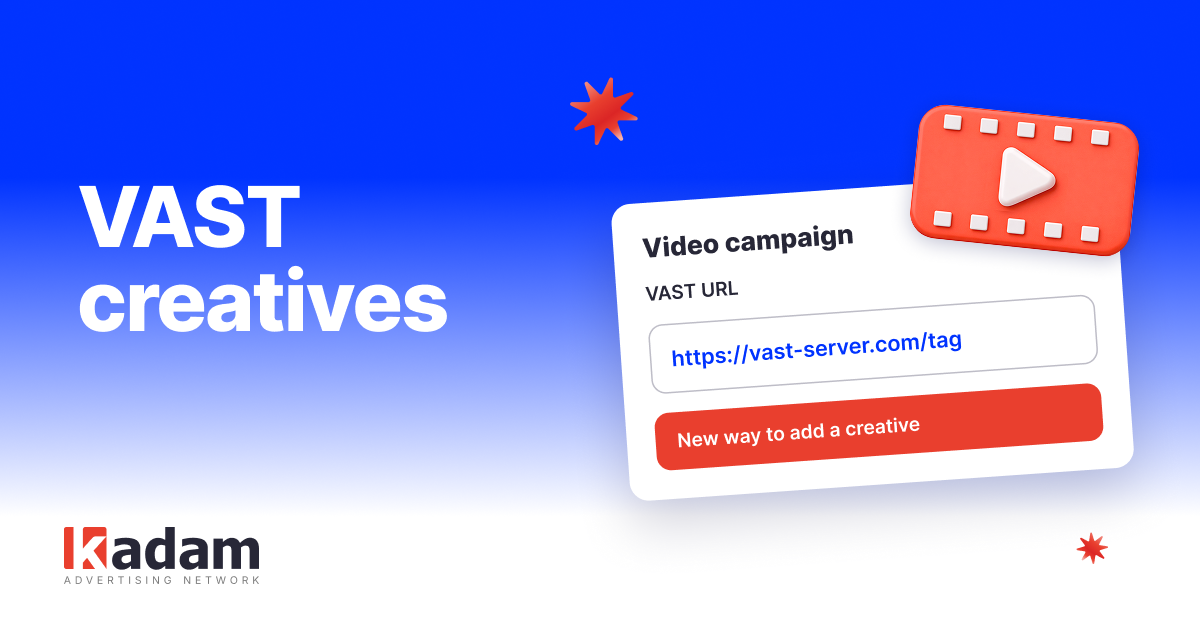
VAST Creatives Are Now Available in Kadam Video Campaigns
What Is Retargeting Advertising and How Does It Work
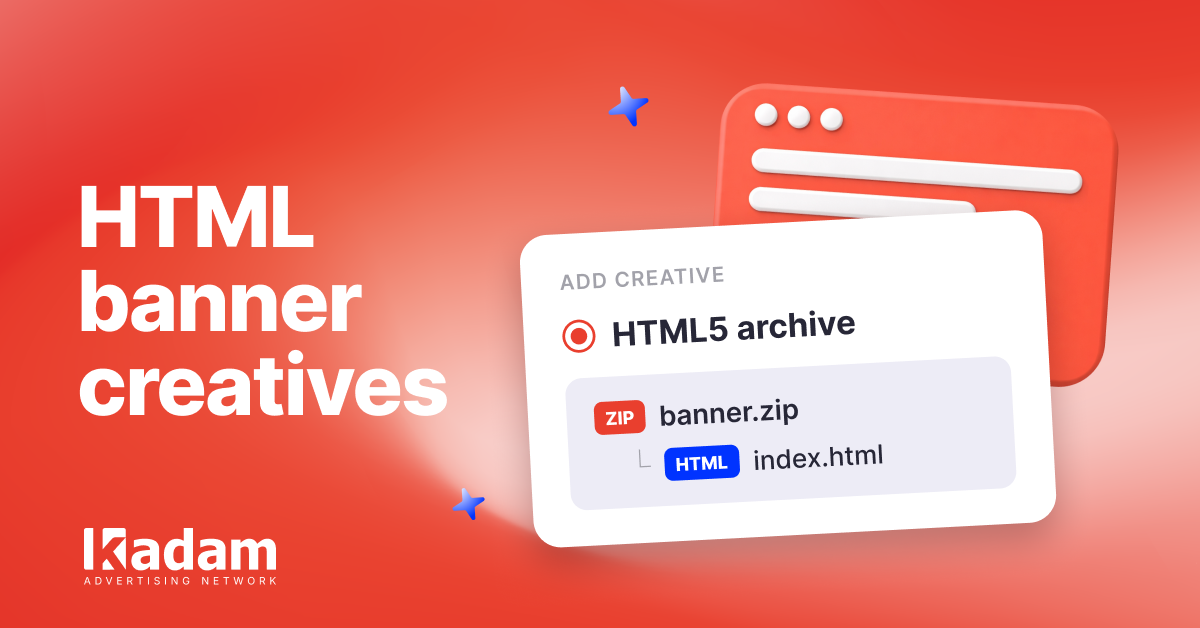
New Ways to Add HTML Creatives
Campaign Group Budgets: Limits at a Glance
Retargeting Ads Explained: When and How to Bring Lost Customers Back