
Popunder CPM for Publishers: What Affects Website Revenue
Learn how popunder CPM affects publisher revenue, what factors influence rates, and how to maximise website monetization.
01 Jul 2026
For publishers, making money from a website isn’t just about adding more adverts to a page. It’s also about understanding how each ad format makes money, what advertisers are willing to pay for impressions, and how the user experience affects long-term revenue. This is even more important for popunder ads, where the number of impressions can look strong, but the results depend a lot on the quality of the traffic and the level of demand.
Popunder CPM is one of the main ways publishers check how much money they can make from their website using this ad style. It shows how much advertisers pay for one thousand genuine popunder impressions. At first, it sounds simple: if you get more people to see your content, you’ll make more money. But the maths and the reality behind it are more complicated.
A website that gets fewer visitors from popular GEOs can sometimes earn more than a bigger site with low-quality traffic. A publisher that interacts well with users, has good sources and controls how often adverts appear may do better than someone who only wants to get the most ad views.
What Is Popunder CPM and How Does It Work
Popunder CPM is the cost for 1,000 ad impressions. CPM stands for “cost per mille”, where “mille” means one thousand. Here, advertisers pay for each set of a thousand valid ad views, and publishers get paid based on the traffic they bring via an ad network.
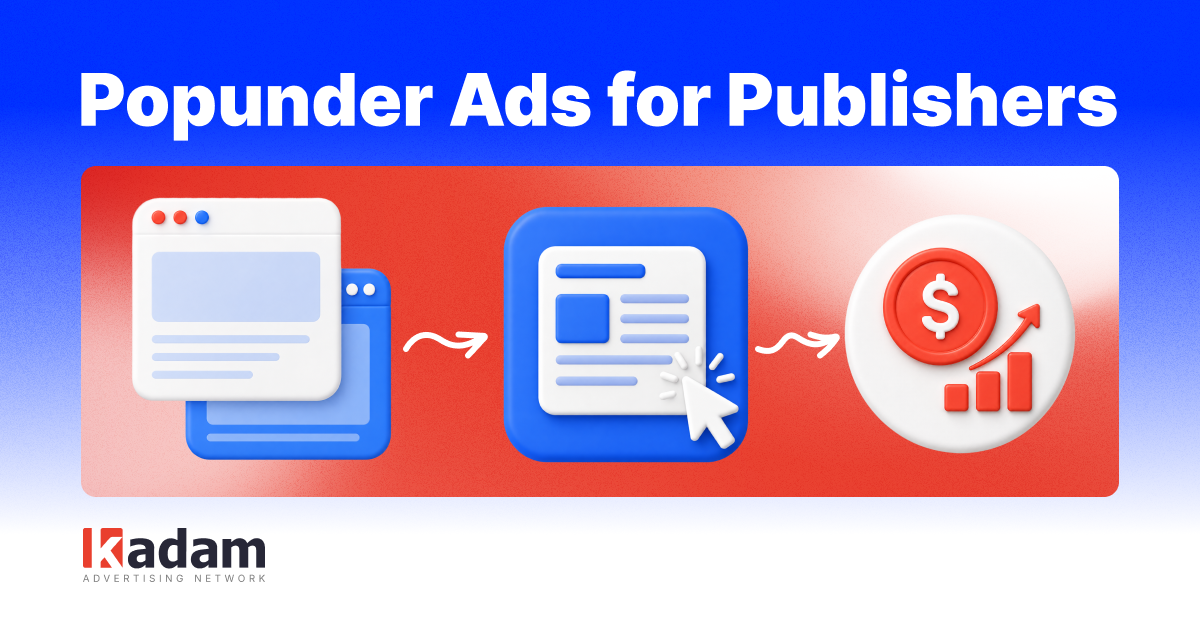
This is how the process works for publishers: a visitor goes to the website, interacts with the page, and a popunder ad opens in a new tab or window. The impression is counted if it follows the rules set by the network, which can be quite strict. The advertiser pays for that exposure, and the publisher gets some of the money.
However, CPM isn’t just based on how many visitors a website has. Advertisers want people to sign up, buy things, deposit money, install apps, or subscribe. The success of popunder CPM depends on a number of factors. These include the quality of the audience, the geographical location, the type of device used, the niche, the season and the level of demand from advertisers.
Why CPM Matters for Website Publishers
CPM is one of the more useful measurements for publishers because it links ad impressions with actual earnings. It helps website owners see how well their traffic is making money, even when the numbers look a bit messy at first.
Compared to CPC, where income depends on clicks, or CPA, where income depends on a completed action, CPM gives publishers a steadier view of what ad visibility can bring in. This makes it useful for websites that get a lot of visitors but not many of them are likely to buy something.
But CPM should not be the only metric publishers consider. They also need to look at overall website revenue, return visits, session duration, bounce rate, and user experience. More ad impressions can increase short-term income, but if visitors leave the website quickly or stop coming back, long-term monetisation may become weaker.
How Popunder Ads Generate Revenue for Websites
Popunder ads make money by connecting the publisher traffic with advertiser demand. The publisher offers website inventory, and then the ad network tries to match that inventory with advertisers who want the right kind of visitors. At the end of the day, the advertiser pays for the ad to be seen by real people, and the publisher makes money. It’s pretty straightforward.
| Step | What happens | Why it matters |
| Visitor enters the website | A user browses the publisher’s page | Traffic becomes available for monetisation |
| Popunder impression is triggered | A separate tab or window opens after interaction | The ad impression can be counted |
| Advertiser pays for exposure | Payment is based on CPM or another model | Demand creates publisher revenue |
| Network validates traffic | Invalid or bot activity may be filtered | Quality protects both sides |
| Publisher receives earnings | Revenue is calculated from valid impressions | Website traffic becomes income |
The ad network plays an important role here. It manages demand, reporting, anti-fraud checks, pricing, campaign rules, and also payments. For publishers, this lowers the need to negotiate directly with many advertisers, and it feels less complicated in practice.
Key Factors That Affect Popunder CPM Rates
There are several things that influence popunder CPM rates. The most important of these are GEO, website niche, traffic quality, device type, seasonality, advertiser competition, and how much demand there is.
GEO is often one of the strongest factors because advertisers value markets differently. Some countries make higher bids. This can be because they have more money to spend, they can convert better, or because there is more competition among advertisers.
Different types of websites, such as entertainment, utilities, gaming, adult, finance, apps, streaming, and download pages, can attract different levels of interest from advertisers. The people who visit a website must be the kind of people that advertisers want to promote their products to. If they are not, the amount of money that advertisers are willing to pay for adverts will often get smaller.
Seasonality can also change CPM. Some parts of the year see more aggressive ad demand, especially during holidays, major sporting events, sale periods or high-energy months in specific sectors.
How Traffic Quality Impacts Publisher Revenue
Not all types of traffic are worth the same amount. Advertisers tend to pay more when the traffic seems natural, responsive, and relevant to the context.
Traffic quality is measured by several factors, including user engagement, session duration, return visits, audience value, device mix, and the likelihood of conversion. If people ignore an offer or don’t interact with it, the advertiser may lower the price over time.
If there is a lot of fake traffic, traffic driven by bots, forced visits, and weak sources, this can reduce the earnings of publishers. Even when this type of traffic increases the number of impressions, it can still have a negative effect. It can reduce demand and result in invalid impressions being filtered out.
The Role of GEO in Popunder CPM
The CPM rate varies from country to country because advertising markets are not balanced. Traffic from some GEOs may be more valuable because users have higher purchasing power, use payment methods that convert better, and are more likely to respond to offers designed for that market. Stronger competition among advertisers can also increase the value of this traffic.
For example, advertisers may offer more money for adverts in places where users are more likely to buy, register, deposit or install an app. In other GEOs, there can be a lot of traffic, but demand from advertisers stays low.
This doesn’t mean publishers should only go after countries where they can make a lot of money. Even GEOs with lower CPM can make serious overall money if there is a lot of traffic and steady demand. The better way to do this is to review CPM along with traffic volume, fill rate, user behaviour, and total earnings.
How Website Niche Affects Popunder Earnings
The type of website you have can really increase the amount of money you make from popunder advertising, but this is not always obvious. Advertisers want people who will be interested in their products, so the topic of a website affects the number of people who will visit the site.
Some niches attract more adverts, so they tend to have higher prices. You often see this in iGaming, entertainment, adult, utilities, apps, finance, streaming-related websites, and download platforms. These groups usually work well with direct-response campaigns. With these campaigns, advertisers want to get more traffic and see real results quickly.
Content websites can also make money using popunders, but the results depend on the user’s intentions and the profile of the audience. A general news site may have a different CPM compared to a specialised download portal or a platform that focuses on entertainment.
Desktop vs Mobile Popunder CPM Differences
The rates for desktop and mobile traffic can be different. The gap comes from how people use the internet, the size of the screen, how many people are using the internet, how much adverts are being clicked on, and how people interact with the landing pages, like what they click on and how long they stay there.
There are more people using mobile devices in many developing countries. This makes mobile traffic useful for app installs, subscriptions, sweepstakes, entertainment, and mobile-first offers. However, people who use phones or tablets might not be happy about slow websites or too many adverts.
Sometimes, desktop traffic can be better for getting people involved, especially when they need to read, compare, sign up, register, or fill out long forms. However, desktop volume may be lower, depending on the website, GEO, and audience behaviour.
How Ad Placement and Frequency Affect Revenue
The money made from popunder advertising depends on two things: the number of people visiting the site, and how the ads are delivered. It is especially important to get the frequency settings right.
If popunders appear too often, users may leave faster, spend less time on the site, or avoid coming back.
A balanced frequency cap helps to keep the user experience safe while still making money. Publishers can try one popunder per session, one or two per day, or different limits for returning and brand new visitors.
How Publishers Can Increase Popunder CPM
Publishers can raise popunder CPM by focusing on quality rather than just volume. The practical steps include:
- Improving traffic sources and removing suspicious traffic;
- Analysing CPM by GEO, device, source, and page type;
- Testing frequency caps to protect user experience;
- Working with niches and content that attract advertiser demand;
- Improving page speed and reducing unnecessary friction;
- Monitoring bounce rate, session duration, and return visits;
- Comparing mobile and desktop performance separately;
- Using reporting data to optimise placements and settings.
The strongest gains often come from small adjustments. A cleaner traffic mix, better GEO distribution, or a more precise frequency cap can lift the value of the same website inventory, without needing to chase more inventory.
Common Mistakes That Reduce Popunder Revenue
If you have more popunders, you might see a short-term increase in revenue. But if there are too many, people will get bored and your sales might go down in the long run.
Another mistake is ignoring analytics. Publishers who don’t look at how well their content is doing in different places, on different devices and for different users might miss out on the parts that make them the most money.
Low-quality traffic is also a big issue. If there is a lot of activity from bots, and if the sources are not very good, advertisers might not trust the site. This can then have a negative effect on how much money the site makes.
Publishers should also avoid using just one setup for every type of traffic. Different types of users (e.g. mobile users, desktop users, premium GEOs, returning visitors and new visitors) may need different delivery rules.
How Publishers Use Kadam to Monetise Website Traffic

Kadam is a practical fit for publishers who want to add popunder ads to a broader website monetisation mix. The network processes 8–11 billion impressions a day, with over 80,000 advertisers competing for traffic. This helps keep fill rates high, around 99% network-wide, and supports stable demand across most GEOs.
For publishers, this matters because popunder CPM depends not only on ad volume, but also on how much advertiser demand exists for a specific audience. Traffic quality, niche, GEO, device mix, and user behaviour still affect the final eCPM, but stronger demand gives publishers more room to monetise available impressions.
Kadam also gives publishers real-time reporting, so they can track popunder performance against total website revenue instead of judging results by CPM alone. This helps compare GEOs, placements, device segments, and overall revenue impact. If popunder ads increase short-term income but damage return visits or user experience, publishers can adjust delivery settings before the format starts hurting long-term monetisation.
Traffic quality is protected by Kaminari Click, multi-layer anti-fraud system, which filters invalid and bot traffic before it affects payouts. This is important for publishers because clean traffic helps maintain advertiser trust and supports more stable demand over time.
Onboarding is designed to be fast, with most publishers able to start monetising traffic within a few setup steps. Teams that need assistance with ad delivery settings, reporting, and ongoing optimization can rely on a dedicated account manager, chat support, and the KAI AI assistant.
FAQ
What Is Popunder CPM?
Popunder CPM tells publishers how much advertisers pay per one thousand valid popunder ad impressions. It helps to understand how efficiently the popunder traffic is being monetised.
Why Does Popunder CPM Change Over Time?
Popunder CPM can move up or down because of seasonality, shifts in advertiser demand, different GEO performance, device mix changes, traffic quality trends, plus competition among advertisers buying impressions.
How Can Publishers Increase Popunder Revenue?
Publishers can try to grow popunder revenue by raising traffic quality, checking performance metrics, testing frequency settings, optimising GEO and device segments, and removing weak or suspicious sources.
Does GEO Affect Popunder CPM?
Yes, GEO can really influence CPM, because advertisers value each market in a slightly different way. In places where demand feels higher, purchasing power is more solid, or conversion chances are better, bids can jump.
Is Popunder Advertising Suitable for Every Website?
Not always. Popunder ads work better when the website has enough visitor flow, a relevant topic, a user experience that stays manageable, and an audience that lines up with what advertisers need. Results usually depend on traffic quality, campaign settings, and the publisher’s broader monetisation strategy.





Read Also
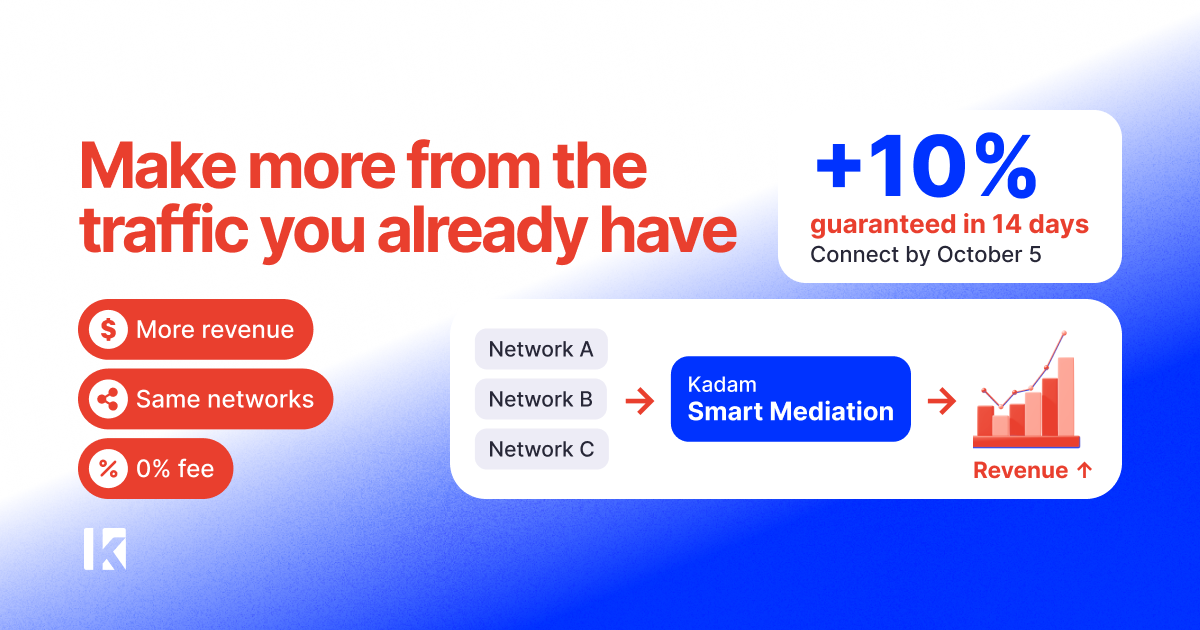
More Revenue from Existing Traffic: How Kadam Smart Mediation Works
How Ad Network Platforms Connect Advertisers and Publishers
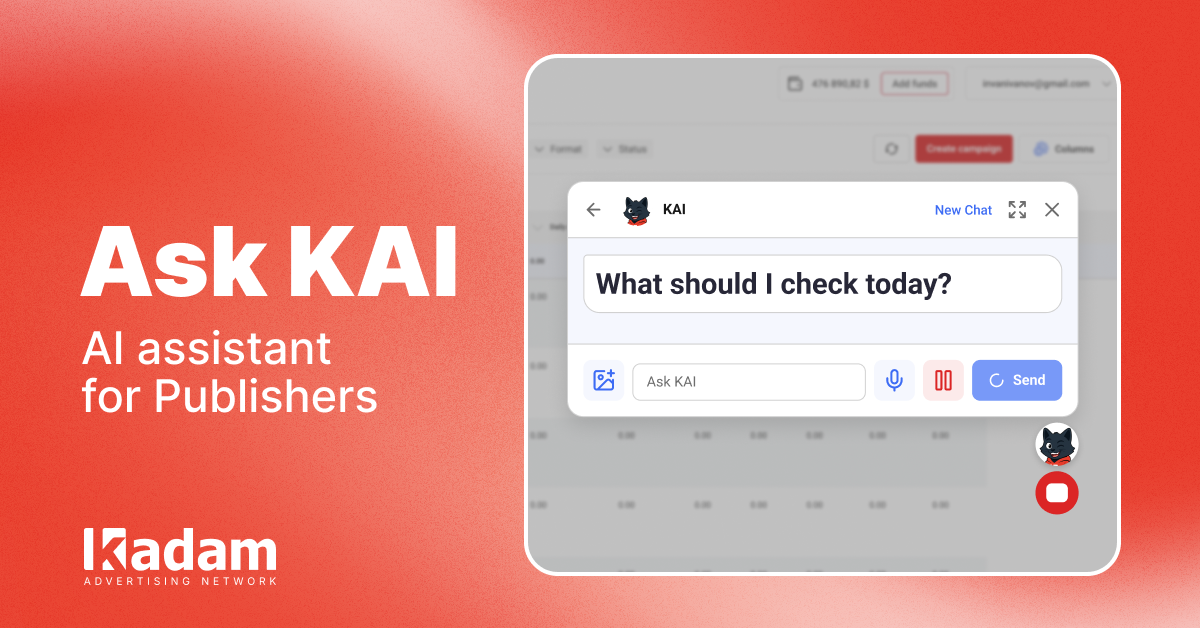
KAI for Publishers: Get Answers About Statistics and Monetization in Seconds

VAST Video Ads: A New Monetization Format Is Now Available in Kadam
Push Notifications: Easily Migrate Your Subscriber Base and Connect Multiple Providers on One Domain
Frequency Capping: Full Guide to Increase Popunder Revenue
Popunder Ads for Publishers: How Website Owners Earn from Pop Traffic
How to Monetize a Website Without Google AdSense
Popunder Ads for Publishers