Popunder Ads for Publishers
Learn how publishers can monetize website traffic with popunder ads, improve fill rate, protect user experience, and choose the right popunder ad network.
21 May 2026
Popunder ads are usually not the first format publishers mention when they talk about clean layouts and premium branding. But for publishers, website owners, and webmasters with active traffic, popunder can become a practical additional layer of website monetization.
The format is especially useful when standard banners underperform, users ignore visible placements, or a site needs extra ad revenue without adding more ad blocks to the page. Like any monetization tool, though, popunder works best when it stays controlled. If publishers overload users, revenue may grow quickly at first, but audience retention can suffer later.
What Are Popunder Ads for Publishers?
Popunder ads are a monetization format where an advertiser’s page opens in a new browser window or tab behind the active page, usually after the user interacts with the site. From the publisher’s side, the idea is simple: the website owner earns revenue from existing traffic without replacing the main content area.
Unlike banners, popunder ads do not need a visible ad slot inside an article, video page, download page, or tool interface. This makes them useful for sites with limited layout space or audiences that rarely engage with classic display ads.
For publishers, popunder is not about generating new traffic. It is about monetizing the traffic they already have more efficiently.
How Publishers Earn with Popunder Ads
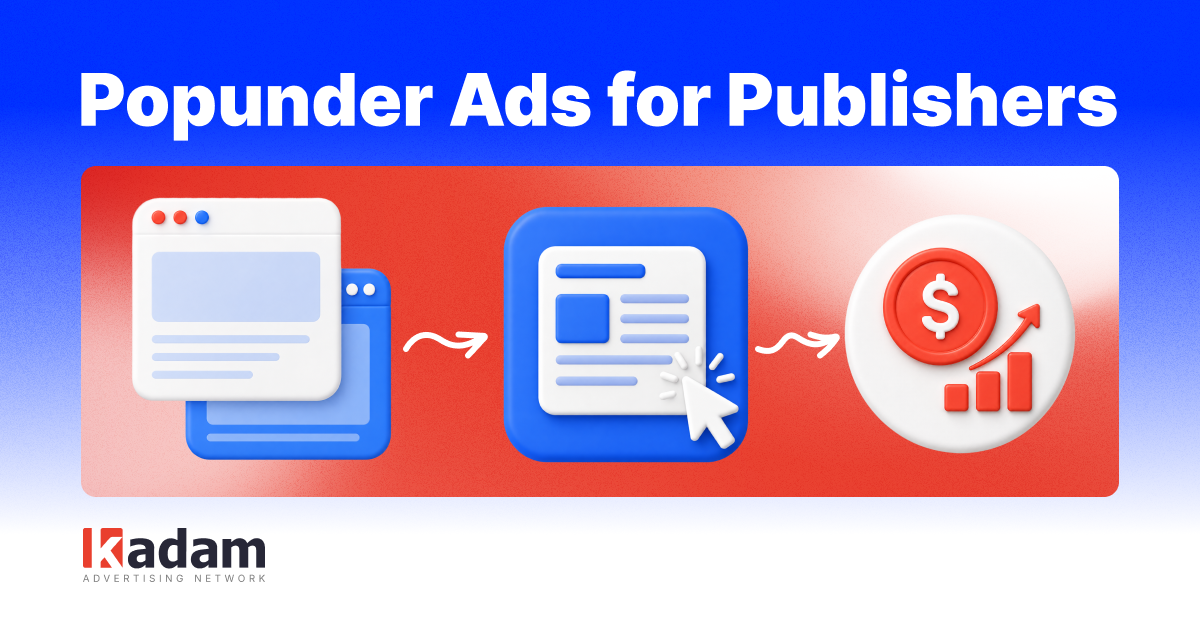
The mechanics are straightforward. A publisher connects the website to an ad network, adds the advertising code, and defines basic conditions for ad delivery. When a visitor interacts with the site, the popunder is triggered, and the advertiser receives the visit. The publisher earns according to the network’s payment model.
Usually, the process looks like this:
- The publisher signs up and adds the website.
- The ad network checks the site and provides an ad tag or integration snippet.
- The publisher places the code on approved pages.
- A visitor action triggers the popunder.
- The advertiser receives the visit.
- The publisher monitors impressions, earnings, GEOs, devices, and other performance data.
Tracking revenue properly is important from day one. Without clear reporting, publishers cannot easily see which GEOs, devices, pages, or traffic segments actually generate revenue.
Why Publishers Use Popunder Advertising
Publishers use popunder advertising because it can create extra income without relying only on existing banner space. The format can run alongside other ad formats and support a more stable multi-format monetization strategy.
The core benefits are clear: popunder can add revenue, advertiser demand is often available across many GEOs, setup is usually simple, and the format can monetize both desktop and mobile traffic. It may also help publishers with strong traffic volume but low banner engagement.
Still, not every website should enable popunder everywhere and at all times. This format works best with frequency limits, clean advertiser demand, and a clear understanding of user experience.
What Types of Websites Can Use Popunder Ads?

Popunder can fit different types of websites, but it usually performs better when users are active and page interactions happen naturally. It can also work well on sites with shorter sessions because popunder does not require the user to scroll to a visible ad block.
Common examples include entertainment websites, streaming and media portals, download platforms, converters, utility tools, gaming websites, and casual game portals. Sports, fan, and event-based websites can also be relevant. Adult websites may work as well, but only where allowed by network policy and local rules.
File hosting pages, content access destinations, blogs, and niche websites with international traffic may also use popunder monetization. Still, the key factor is not only the category. A website with genuine visitors, predictable behavior, and acceptable traffic quality will usually be easier to monetize than a page built mainly for inflated visits.
What Affects Popunder Revenue?
Popunder revenue depends on more than the number of visitors.
The most important factors are GEO, device split, niche, user activity, traffic quality, advertiser demand, seasonality, frequency settings, and fill rate. Tier 1 GEOs often generate the highest revenue, while Tier 2 and Tier 3 traffic can still perform well if traffic volume and engagement remain stable. Ad rates may also differ between mobile and desktop traffic depending on advertiser demand.
| Factor | Why It Matters for Publishers |
|---|---|
| GEO | Advertisers pay differently for different countries |
| Device | Mobile and desktop traffic can monetize differently |
| Niche | Some verticals attract higher advertiser demand |
| Traffic quality | Clean human traffic usually earns more reliably |
| Fill rate | More filled impressions can mean more paid traffic |
| Frequency | Too many triggers can damage return visits |
| Seasonality | Demand changes during holidays, events, and sales periods |
| Page activity | Natural interactions can create more monetization opportunities |
A low fill rate means missed monetization opportunities. If impressions are not filled, publishers lose potential revenue even when traffic volume looks strong.
Popunder Ads and User Experience
Popunder ads can generate revenue, but they can also hurt user experience if they are not set up correctly. Publishers should protect the audience experience, not only short-term earnings.
The most important rule is frequency control. If a user sees one popunder during a session, it may be acceptable. If popunders appear every few clicks, users may leave the site or install an ad blocker.
Timing also matters. If a popunder appears too early, it can feel aggressive. If it appears after a meaningful interaction, it is usually less disruptive. Publishers should also check mobile performance carefully because small screens make poor ad experiences feel even more intrusive.
Ad quality also matters. Clear ads, well-structured landing pages, and safe advertiser categories help protect the website’s reputation. Kadam’s publisher page, for example, mentions multi-factor ad moderation and customizable ad feed controls for different types of content.
How to Choose a Popunder Ad Network for Publishers
When choosing a popunder ad network, publishers should look beyond CPM promises. A high CPM claim may look good on a landing page, but publishers also need reliable payouts, clear reporting, stable advertiser demand, and support when something goes wrong.
Use this checklist before connecting your site:
- Check how well your main GEOs and devices are working;
- Payout terms, minimum thresholds, and supported payment methods;
- Controls for ad quality, moderation and category;
- Statistics for impressions, clicks, earnings, locations and formats;
- Systems that stop fraud and check traffic;
- Fast support and a personal manager who is always available;
- Easy integration and clear documentation;
- Compatibility with other ad formats you already use;
- Rules for adult, streaming, downloads, or other sensitive verticals;
- Real-time or near real-time revenue tracking;
The best network is not only about CPM. It should help publishers generate stable revenue without losing their audience.
Popunder vs Push vs Banner for Publishers
Publishers do not have to rely on one ad format only. Different formats help monetize different parts of the user journey.
| Format | Strength | Weakness | Best Use |
| Popunder | Adds revenue without visible page space | Needs frequency control | High-volume sites, short sessions, global traffic |
| Push | Can reach users after subscription | Requires opt-in and quality messaging | Returning users, alerts, updates |
| Banner | Familiar and easy to place | Banner blindness, limited CTR | Content pages, stable layouts, brand-safe inventory |
For many publishers, the best setup is a mix of several formats. Banners monetize visible page space, push can work for subscribed returning users, and popunder can add an extra monetization layer. The right balance depends on real audience behavior, not theory.
Common Mistakes Publishers Make with Popunder Ads
Publishers often set frequency too high, choose a network only by CPM, ignore user experience, skip GEO and device analysis, or accept low-quality traffic sources that reduce long-term value.
Another common mistake is looking only at total earnings without analyzing revenue by page, country, device, format, or traffic source.
Low traffic quality is especially dangerous. It can reduce advertiser demand, lower payouts, and make the site less attractive to major networks. Trying to grow traffic with untrusted sources may seem effective for a short time, but results usually decline later.
The safest approach is to test gradually, read the reports, protect the user experience, and adjust frequency before visitors start leaving the site.
How Kadam Helps Publishers Monetize Popunder Traffic
Kadam helps publishers monetize traffic through popunder and clickunder advertising, as well as other formats such as direct link, push notifications, banners, and native ads.
For publishers, the most important factors are advertiser demand, real-time statistics, strong fill rate, personal manager support, and available payout methods. These factors matter in daily monetization operations because publishers need to understand what they earn, how each format performs, and whether the current setup is helping the site grow.
Kadam lists PayPal, bank transfer, USDT, Paxum, Capitalist and Wire as ways for publishers to get their money, and we also provide clear real-time reporting, plus details such as impressions, clicks and earnings.
Useful reporting does not replace a good monetization strategy, but it helps publishers avoid guesswork and make decisions based on actual performance.
Conclusion
Popunder can make money from the traffic they already have, without having to add more ad spots that people will see. How much money you make depends on the GEO device, how much demand there is for adverts, the quality of the traffic, how well the adverts are filled, and the frequency settings. It’s important to think about how users experience the product, because losing them in the short-term is not worth losing them in the long-term. The right ad network should bring steady demand, clear statistics, reliable payment methods and proper revenue accounting.
FAQ
What are popunder ads for publishers?
Popunder ads are a way for companies to make money from their websites. They are ads that appear behind the current browser window or tab, usually after the user has clicked on them. For publishers, this means they can make extra money from people visiting their sites without having to change how the page looks.
How do publishers earn from popunder ads?
Publishers connect a website to an ad network, add the ad code, and let popunder triggers happen under the agreed settings. When people see or click on adverts, the publisher makes money.
Are popunder ads safe for websites ?
Popunder ads can be safe when publishers use trusted networks, moderation rules , frequency limits, and category controls. Most issues show up when ads are too frequent, badly filtered, or simply not relevant to the users.
What affects popunder revenue ?
Popunder revenue depends on GEO, device split, niche fit, advertiser demand, seasonality, user activity, frequency settings, plus traffic quality. A strong fill rate also matters because when impressions do not fill, there is nothing to monetize.
Can I monetize website traffic with Kadam?
Yes, Kadam, works with publishers and it also provides popunder and clickunder monetization, plus a few other ad formats. In the publisher materials you can see references to real-time statistics, a high fill rate, personal manager support, and several payout options.





Read Also
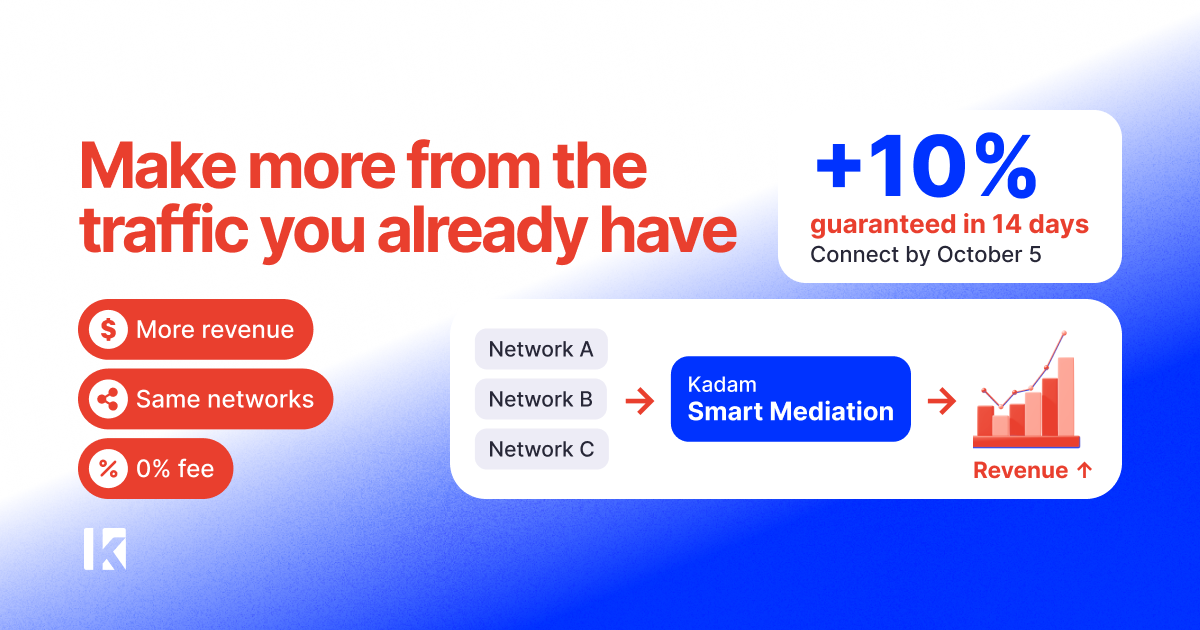
More Revenue from Existing Traffic: How Kadam Smart Mediation Works
Adult Website Monetization: Best Ways to Earn from Adult Traffic
How Ad Network Platforms Connect Advertisers and Publishers
KAI for Publishers: Get Answers About Statistics and Monetization in Seconds
VAST Video Ads: A New Monetization Format Is Now Available in Kadam
Push Notifications: Easily Migrate Your Subscriber Base and Connect Multiple Providers on One Domain
Popunder CPM for Publishers: What Affects Website Revenue
Frequency Capping: Full Guide to Increase Popunder Revenue
Popunder Ads for Publishers: How Website Owners Earn from Pop Traffic